Geotextile Malaysia is a permeable fabric used in civil engineering and construction projects to improve soil stability, provide erosion control, and enhance drainage. Made from synthetic materials like polypropylene or polyester, Geotextile Malaysia products are designed to separate, filter, reinforce, protect, or drain soil. They are commonly used in applications such as road construction, landfills, retaining walls, and embankments, where their ability to prevent mixing of different soil layers and manage water flow is essential for the longevity and performance of the infrastructure.
As a versatile material, Geotextile Malaysia comes in different forms, including woven, non-woven, and knitted fabrics, each tailored to specific applications. Woven Geotextile Malaysia products are typically used for their high strength and durability, making them ideal for reinforcement and stabilization projects. Non-woven Geotextile Malaysia fabrics, on the other hand, are often used for filtration and drainage due to their ability to allow water to pass through while retaining soil particles. By incorporating Geotextile Malaysia into construction projects, engineers can enhance the structural integrity and sustainability of the built environment.
Features:
- Filtration: Provides permanent mechanical and hydraulic filter stability, because when water flows from fine-grained soil to coarse-grained soil, it can retain fine particles
- Drainage: drainage and exhaust in the plane of the geotextiles
- Reinforcement: Improve the shear strength of the soil by providing a bonding mechanism of the geotextile-soil system, thereby improving soil quality and structural stability Cushion/protective layer: permanently protect the synthetic sealing system (geo-membrane) from mechanical damage during installation and after construction
- Waterproof: used as supporting material for impregnated asphalt or plastic modified sealing material
- Separation: permanently prevent mixing of the two materials

Non-woven and woven geotextiles are versatile materials used in various civil engineering and construction projects. Woven geotextiles are made by weaving together fibers, resulting in a strong, durable fabric that provides excellent reinforcement and stabilization for soil and other materials. These are commonly used in road construction, erosion control, and retaining wall support. Non-woven geotextiles, produced by bonding fibers together through heat or chemicals, are more flexible and permeable, making them ideal for filtration, drainage, and separation applications. Both types of geotextiles play a critical role in enhancing the longevity and performance of infrastructure projects.
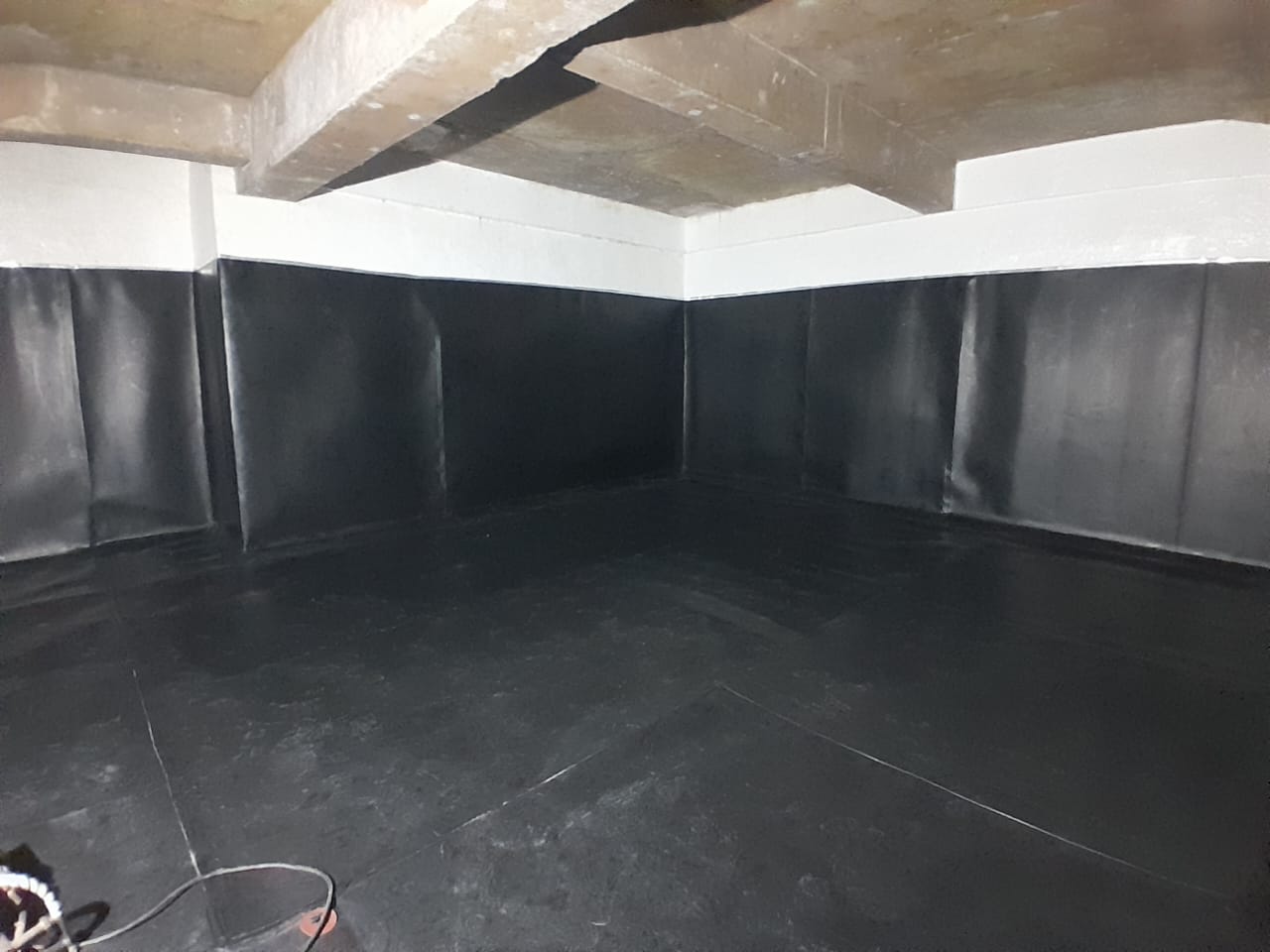
HDPE Geomembrane provide efficient and economical methods of waterproofing soil, sand, clay,
concrete and steel and containment structures. The geomembrane layer is installed inside the
concrete steel water tank and pressed to preserve and protect the tank wall from corrosion,
deterioration and leakage from cracks.
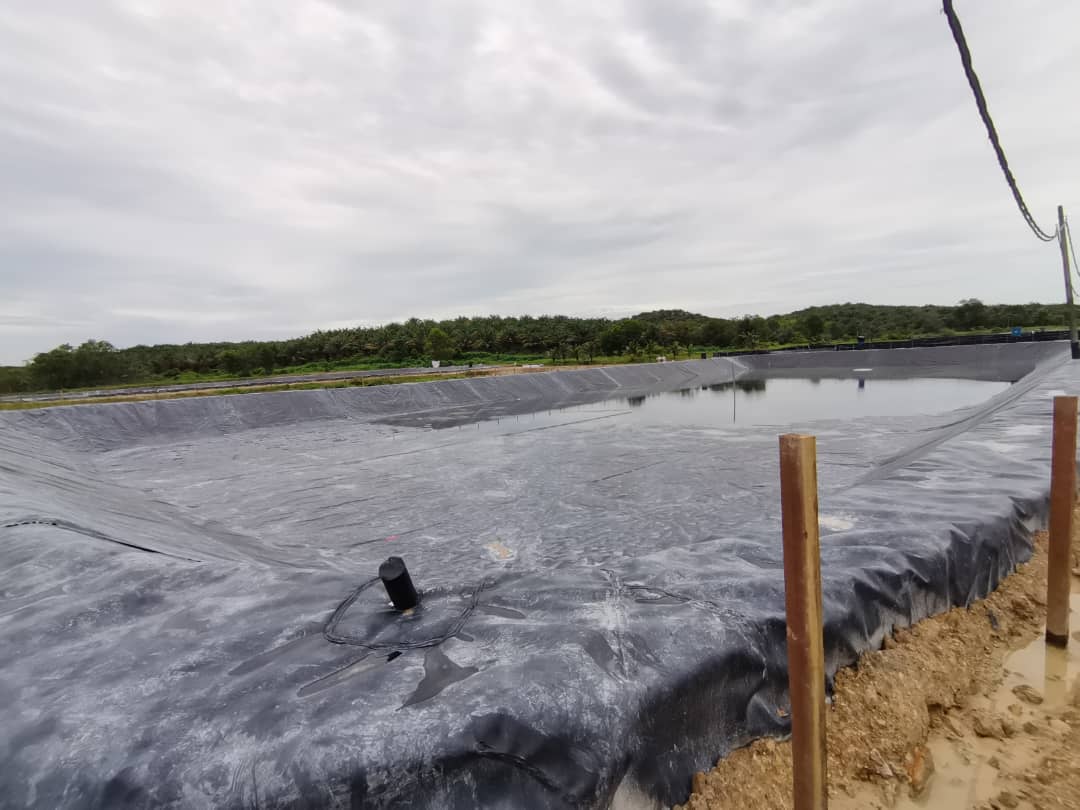
For efficient aquaculture farm management and water quality control, hatcheries, planting ponds, tanks and roads performance is significantly improved with the use of HDPE plastic pond coating system. The benefits of installing a geomembrane HDPE plastic pool coating system include easier pool maintenance and reduced operating costs; better water quality control, reducing turbidity and disease risk; effective water leakage and bund slope erosion control; save time in pond preparation between harvests; reduce sludge, waste and sediment pollution at the bottom of ponds; ultimately leading to better farm performance and profitable harvest yields.
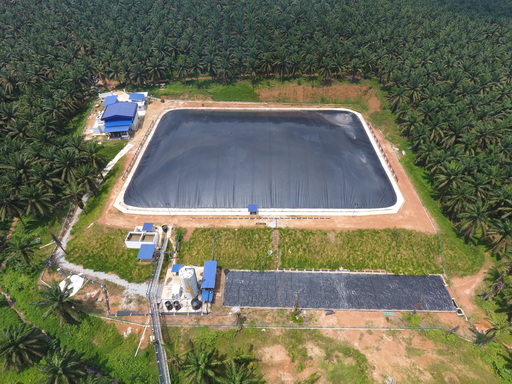
Increased agro and factory production has raised pollution sensitive issues from organic
waste and factory sludge.
Wastes or discharges from these wastes and sludge are consistently monitored by the
Municipal Authorities and Environmental Members for proper waste management, treatment and
disposal systems. There are also fears of groundwater and river water pollution by untreated
byproducts and waste byproducts. The HDPE geomembrane coating system is useful for stacking
retention ponds, sludge ponds, aerobic or anaerobic treatment ponds and evaporation ponds in
waste treatment facilities.