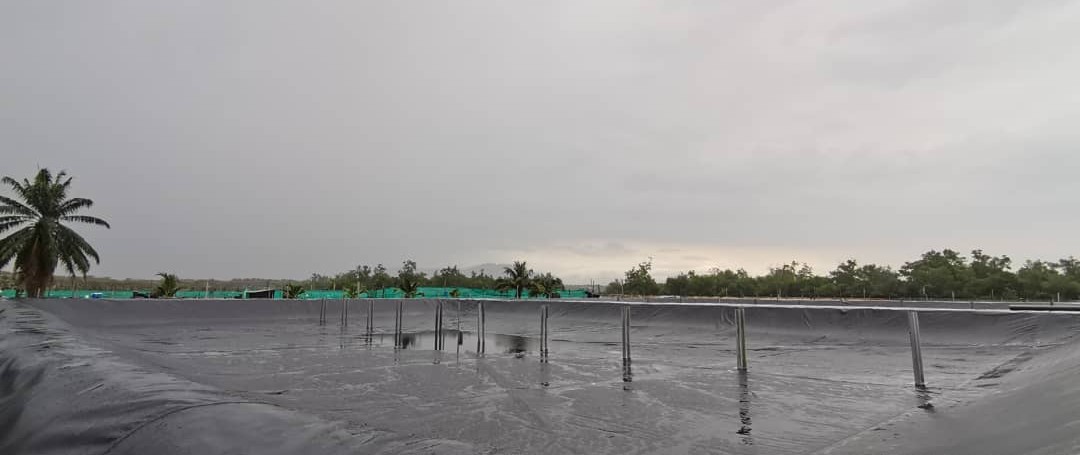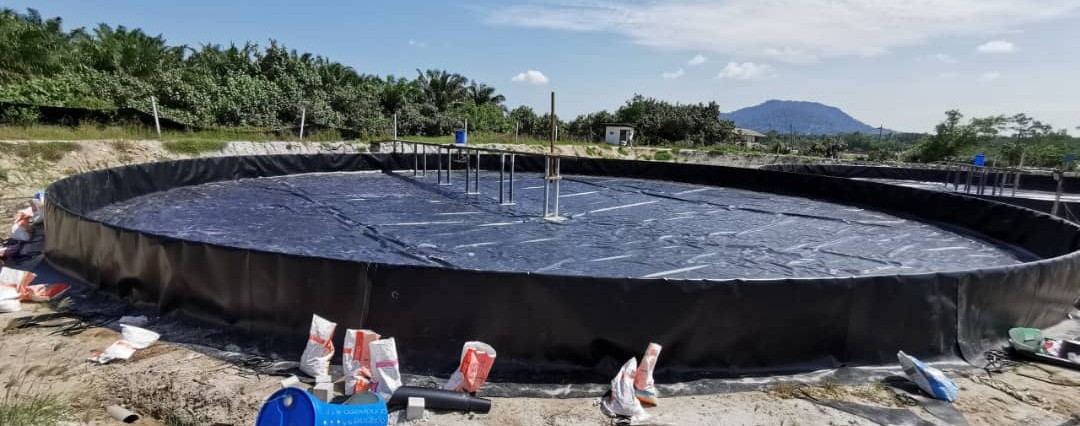
HDPE (High-Density Polyethylene) geomembranes are widely used in the aquaculture industry due to their durability and resistance to environmental stress. One of the main benefits is their ability to provide a reliable barrier against water seepage, maintaining stable water levels in ponds and tanks. This impermeability helps in conserving water resources, preventing contamination of groundwater, and ensuring that the aquaculture environment remains clean and controlled. Additionally, HDPE Geomembrane are resistant to UV radiation, chemicals, and biological degradation, ensuring long-lasting performance even in harsh conditions.
Another key benefit is their ease of installation and low maintenance requirements.HDPE Geomembrane are flexible and can easily conform to pond shapes, making them suitable for a variety of applications, from fish ponds to shrimp farming tanks. Their smooth surface also helps prevent the buildup of algae and other aquatic organisms, contributing to better water quality and healthier environments for the aquaculture species. The overall durability and cost-effectiveness make HDPE Geomembrane an excellent choice for sustainable aquaculture practices.
Key benefits of Aquaculture Pond Liner
- Prevents water leakage, maintaining pond volume and water quality
- Reduces soil erosion and sediment runoff
- Provides a stable environment for aquatic species, enhancing their health and growth
- Minimizes maintenance and operational costs by reducing water loss and contamination
- Durable and resistant to environmental factors such as UV rays and temperature fluctuations
For efficient aquaculture farm management and water quality control, hatcheries, planting ponds, tanks and roads performance is significantly improved with the use of HDPE Geomembrane plastic pond coating system. The benefits of installing a geomembrane HDPE plastic pool coating system include easier pool maintenance and reduced operating costs; better water quality control, reducing turbidity and disease risk; effective water leakage and bund slope erosion control; save time in pond preparation between harvests; reduce sludge, waste and sediment pollution at the bottom of ponds; ultimately leading to better farm performance and profitable harvest yields.